Dumpster Dos and Don’ts: What You Can Dispose Of
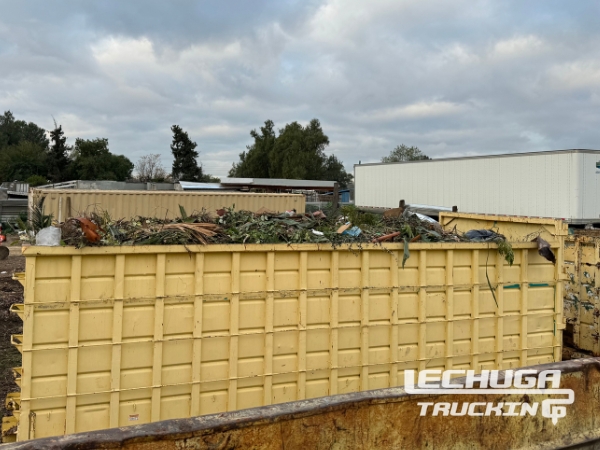
Renting a dumpster is a convenient way when tackling large cleanouts or remodeling tasks. Being able to throw everything in a single container reduces the hassle of handling waste. Still, some items cannot go into the dumpster. Being informed ensures proper disposal and smooth pickup.
At R. Lechuga Trucking, we believe that understanding proper waste disposal is an important part of using our dumpster rental service responsibly. Our goal is to help customers make the most of their rental while following all necessary safety and environmental guidelines. Whether you’re cleaning out your home, managing a construction project, or simply doing a large decluttering, it’s essential to know what materials are acceptable and what should be handled differently.
Common Household Items Allowed in a Dumpster
Standard household trash can often go in your dumpster. Trash such as clothing, furniture, paper, and toys is allowed. Recyclable paper, standard trash, and harmless décor can go in. These materials don’t pose environmental or safety risks and can be processed through standard waste management systems.
If you’re clearing out a garage, basement, or attic, you can usually include wooden furniture, small appliances that don’t contain refrigerants, and various home renovation materials. Verify that appliances and furniture don’t contain unsafe materials. Sorting items properly helps maintain safety and prevents disposal issues.
Construction and Remodeling Debris That’s Accepted
Building or remodeling generates waste that dumpsters handle efficiently. Most building materials, like wood, drywall, bricks, siding, and roofing shingles, can be safely placed in your rental. They are safe to dispose of and often recyclable.
Flooring, cabinets, and fixtures from renovation work are typically discarded in dumpsters. Items containing lead or asbestos should be removed prior to disposal. Clean construction waste helps maintain safety during handling and ensures compliance with environmental regulations that govern waste disposal sites.
Yard Waste and Organic Materials
Dumpster rentals are ideal for handling branches, leaves, and other yard waste. Most organic debris is allowed unless contaminated. Separating yard waste makes composting or processing easier.
Check whether treated wood, fencing, or stones are allowed in your rental dumpster. Some treated woods or painted materials may not qualify as yard waste due to their chemical treatments. Always clarify what’s allowed to prevent potential issues with sorting or disposal after pickup.
Materials You Cannot Dispose Of
Some items are strictly forbidden in dumpsters for legal and safety reasons. This includes hazardous waste such as chemicals, batteries, paint, oils, and fuels. Because of their dangers, hazardous materials must be disposed of at specialized facilities.
Other restricted items include tires, large electronics, and certain appliances that contain refrigerants or harmful components. These items require special recycling or disposal processes that differ from standard waste handling. Consult the dumpster provider’s guidelines to stay compliant and prevent problems during pickup.
Appliances and Electronics: Handle With Care
Appliances and electronics can be tricky when it comes to dumpster disposal. Small household appliances without hazardous components are often fine to include, but larger ones like refrigerators, air conditioners, and microwaves need special attention. Electrical components or chemicals in larger appliances make them unsafe for standard dumpster disposal.
TVs, computers, and printers need to be disposed of properly. These items often contain metals and components that can be recycled, making it better for the environment to bring them to an electronics recycling center. Handling electronics properly contributes to safe and eco-friendly waste management.
Specialty Waste That Requires Care
Special waste refers to items that require more careful disposal, including medical waste, contaminated soil, and industrial materials. Restricted items must be handled according to safety regulations. Even if they seem harmless, they must be processed through appropriate facilities equipped to handle them safely.
When in doubt, consult your rental provider to see if waste is classified as special. Guidance from your provider ensures compliance and smooth service. R. Lechuga Trucking guides clients on proper disposal for safe, legal handling.
Optimizing Dumpster Usage
Once you know what can and can’t go in a dumpster, you can plan your cleanup more effectively. Organize items to load efficiently and avoid hazards. Place heavier materials on the bottom and lighter items on top to optimize space. Overfilling can lead to hazards, so keep items below the edge.
Being mindful about what you put inside your rental not only protects the environment but also helps ensure you’re following all service guidelines. A compliant dumpster ensures hassle-free pickup. Mindful disposal promotes responsible and efficient waste management.
Ensuring Safety and Compliance With Your Rental
Understanding dumpster rules is essential for safe disposal. Sorting materials correctly makes projects more manageable. Correct disposal practices save time and avoid issues with pickup for all types of waste.
R. Lechuga Trucking is committed to helping customers make the trash dumpster rentals near me Santa Ana CA most of their dumpster rentals through clear guidance and reliable service. By working together to follow proper waste disposal rules, you can complete your projects efficiently and with confidence. Renting from us means partnering with a company dedicated to safe and responsible waste management.